 Avocado
The ketogenic diet sparks highly polarized opinions online. Research reveals a more nuanced picture: real benefits in some contexts, uncertain effects in others, and specific risks to be aware of before starting.

Benefits supported by the strongest evidence
- Short- to medium-term weight loss:several controlled studies show weight loss equal to or greater than that achieved with low-fat diets during the first 6–12 months, largely due to the greater satiety provided by protein and fat. However, these differences tend to diminish after 12 months, when adherence to the diet becomes the most critical factor—more so than the specific type of diet itself.

- Glycemic control in type 2 diabetes:reducing carbohydrate intake is often associated with improvements in fasting blood glucose and glycated hemoglobin (HbA1c) levels, potentially reducing the need for medication. This change must always be managed in consultation with a doctor, however, due to the risk of hypoglycemia if medication dosages are not adjusted accordingly.
- Drug-resistant epilepsy:the most well-established clinical application, backed by decades of evidence—particularly in pediatric cases—and always requiring specialist medical supervision.
- Satiety and reduced perceived hunger:numerous studies report better appetite control compared to diets with the same caloric intake but higher carbohydrate content, a factor that aids long-term adherence.

Areas still under debate
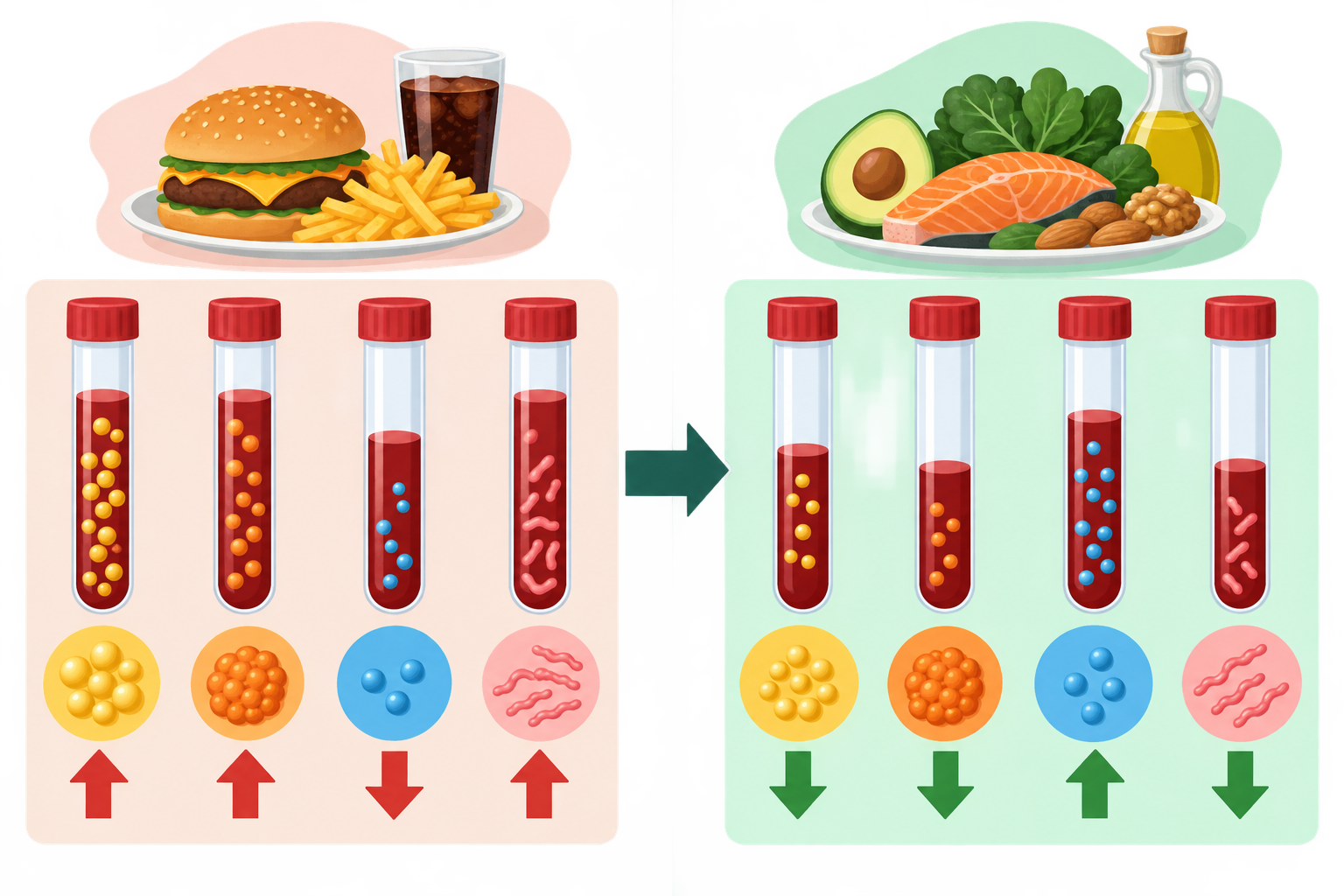
- Long-term cardiovascular effects:the impact on LDL cholesterol varies from person to person; in some individuals, levels rise significantly, while in others, they remain stable or improve alongside triglyceride and HDL cholesterol levels. There is currently no reliable predictive profile, and checking the lipid panel after 2–3 months is a reasonable precaution.

- Long-term sustainability:dropout rates in studies are often higher than for less restrictive diets—a factor that carries as much weight as the protocol's theoretical efficacy.

- Impact on cognitive performance and mood:some people report greater mental clarity, while others experience irritability and lapses in concentration, particularly during the first few weeks; Aggregated data do not show a definitive, consistent effect.
- Use in oncology and neurology beyond epilepsy:areas of active research that remain preliminary; these should be considered complementary to, and never a substitute for, established medical therapy.
Risks to be aware of
- Nutritional deficiencies:eliminating entire food groups (grains, legumes, many fruits) can reduce intake of fiber, certain B vitamins, magnesium, and potassium if the diet is not carefully planned.

- Kidney stones:the risk is higher for those with a history of stones, due to the increased urinary acidity typical of diets high in animal protein.

- Effects on the menstrual cycle:some women report cycle irregularities, particularly in cases of significant caloric deficit or low initial body weight.
- Drug interactions:in addition to the previously mentioned risk involving insulin, the diet may require adjustments to medications for diuretics, blood pressure, or anticoagulants—matters that should always be discussed with a doctor before starting.
- Constipation:common in the first few weeks due to the drastic reduction in fiber; this can be managed by increasing intake of low-glycemic vegetables and staying hydrated.

How to interpret the scientific literature on this topic
Many studies on the ketogenic diet involve small sample sizes and short durations (weeks or a few months), which limits conclusions regarding long-term effects. It is wise to be wary of both claims presenting it as a universal cure and dismissals labeling it inherently dangerous: the proper assessment is individual and depends on one's medical history—hence the importance of consulting a professional before starting, especially if pre-existing conditions are present.
