 Avocado

Ketosis is the metabolic state in which the liver produces ketone bodies from fatty acids, and other tissues use them as fuel instead of glucose. It is not an on/off switch; rather, it is a continuum that depends on your carbohydrate intake, your intake over the preceding days, and your level of physical activity.

The biochemical sequence
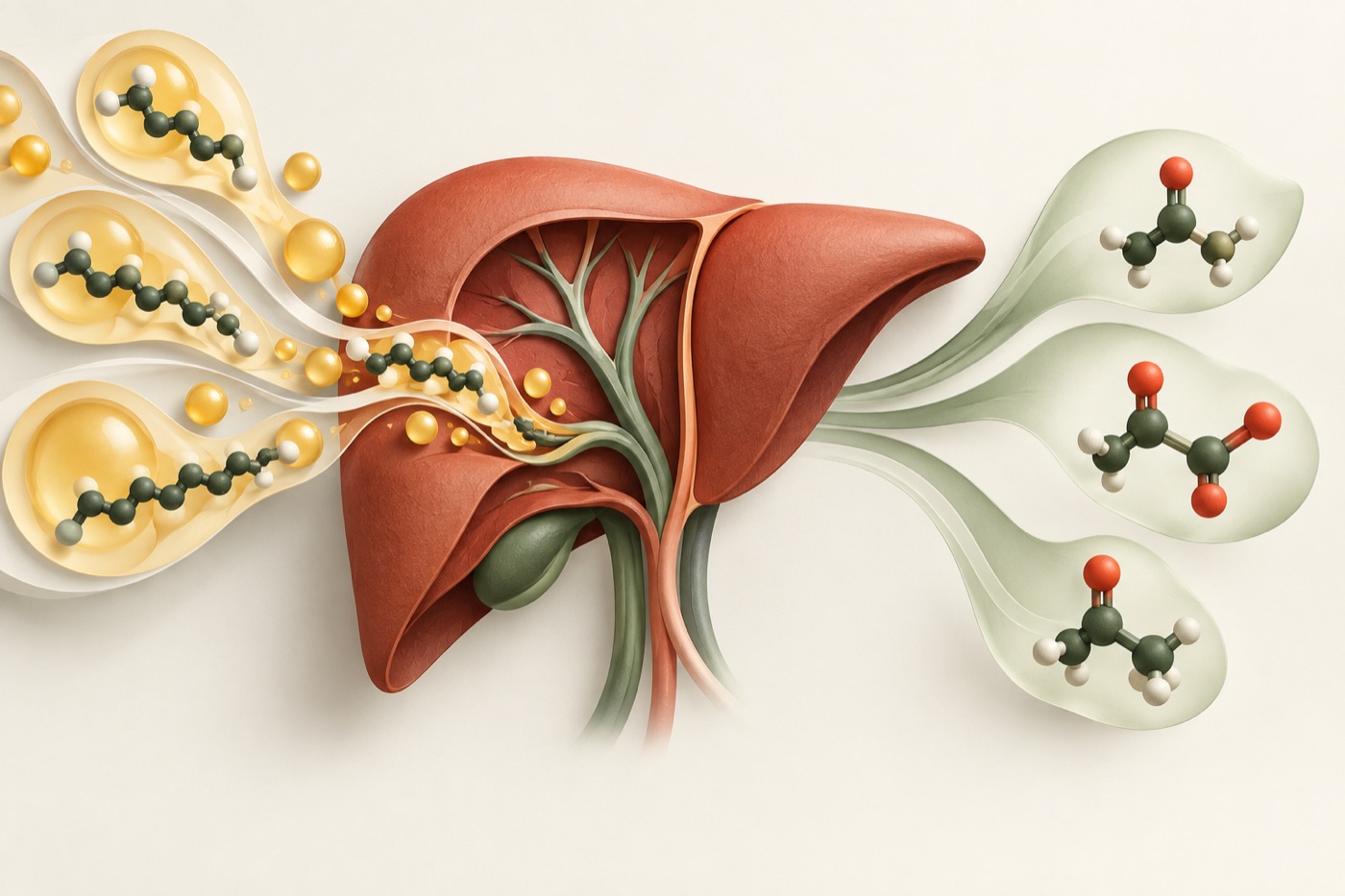
With a carbohydrate intake of less than 20–50 g net carbs per day, liver glycogen stores are depleted within 24–72 hours. When glycogen runs low, the liver increases fatty acid beta-oxidation and converts a portion of the fatty acids into three ketone bodies: acetoacetate, beta-hydroxybutyrate (the most abundant in the blood), and acetone (part of which is exhaled, causing the characteristic "keto breath"). The brain, heart, skeletal muscles, and kidneys can use ketone bodies as an energy source; red blood cells, however, remain dependent on glucose, a small amount of which is produced by the liver via gluconeogenesis.

How long it takes
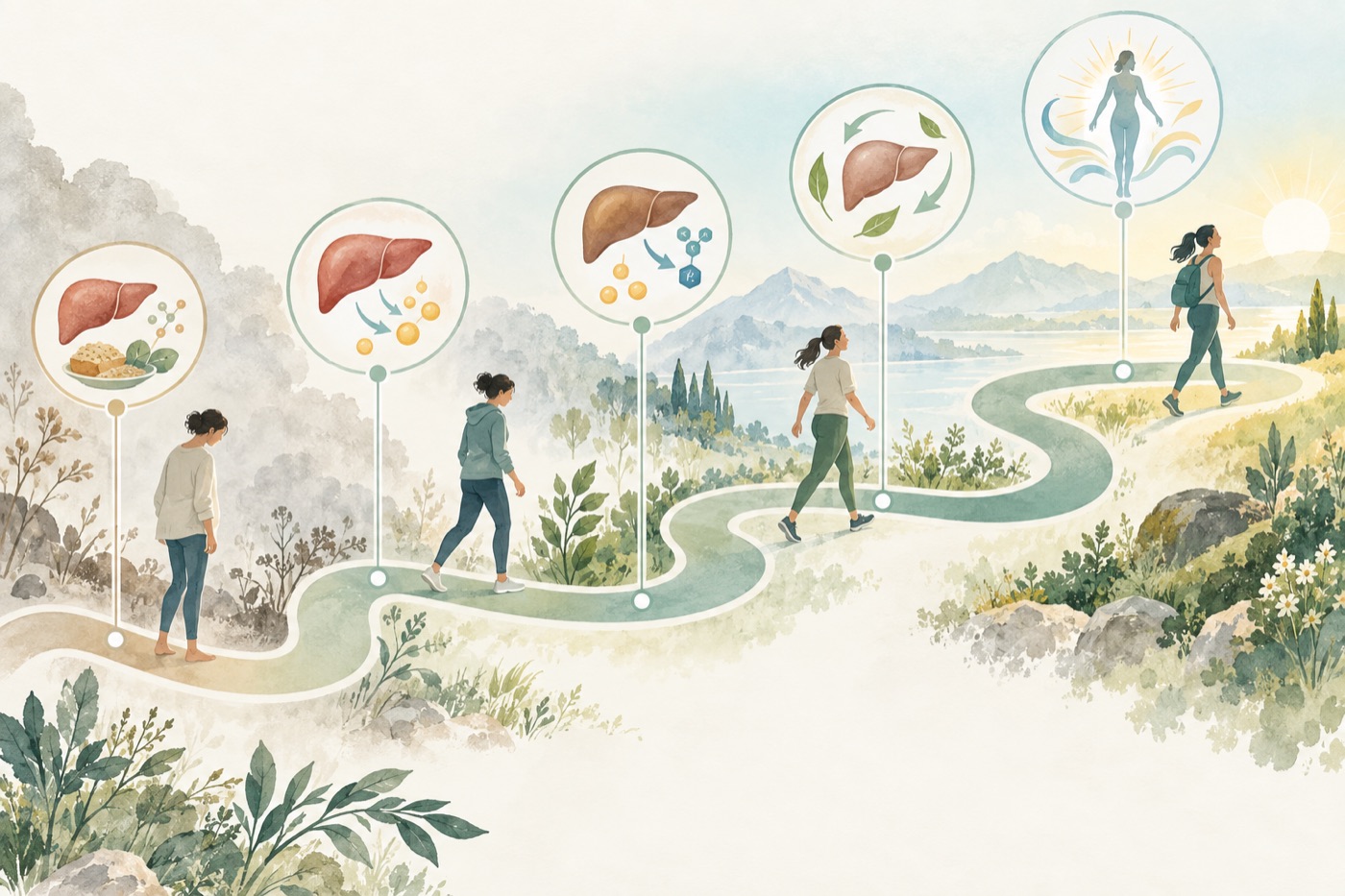
Most people reach measurable levels of nutritional ketosis after 2–4 days of strict carbohydrate restriction. Complete "keto-adaptation"—where muscles and the brain become efficient at using ketone bodies and transition symptoms subside—typically takes 2–4 weeks, though there is significant individual variation based on genetics, physical activity levels, and overall caloric intake.
How to measure it
- Urine strips for acetoacetate:inexpensive and useful during the initial weeks, but less reliable as adaptation occurs because the body becomes more efficient at reabsorbing ketones.
- Capillary blood meters for beta-hydroxybutyrate:more accurate and considered the gold standard for reliable, long-term monitoring.
- Breath analyzers for acetone:convenient and reusable, but less standardized than blood tests.

In nutritional ketosis, typical blood levels of beta-hydroxybutyrate range from 0.5 to 3.0 mmol/L. Higher levels do not automatically imply better results; beyond a certain threshold, the body tends to burn off excess ketones anyway.
Nutritional ketosis vs. ketoacidosis: they are not the same thing
This is the most important distinction to understand, as well as the most common source of confusion and alarm. Nutritional ketosis is a controlled physiological state: ketone bodies generally remain below 3 mmol/L, blood pH stays normal, and blood glucose levels are normal or low because they are regulated by insulin, which remains present and functional.
Diabetic ketoacidosis, on the other hand, is an acute medical emergency, typically associated with uncontrolled type 1 diabetes: ketone bodies often exceed 10 mmol/L, the blood becomes acidic (pH below 7.3), and blood glucose levels are very high due to the lack of insulin needed to regulate the process. Individuals with type 1 diabetes, or type 2 diabetes treated with insulin, should only consider a ketogenic diet in consultation with their doctor due to the real risk of this complication—as opposed to normal nutritional ketosis.
| Aspect | Nutritional ketosis | Diabetic ketoacidosis |
|---|---|---|
| Context | Regulated metabolic response | Medical emergency |
| Insulin | Present and effective | Absent or insufficient |
| Blood pH | Normal | Acidic (below 7.3) |
| Blood glucose | Often normal | Often high, but it can also be normal |

Factors influencing the rate of adaptation
- Physical activity level:those who exercise regularly tend to deplete glycogen stores more quickly and enter ketosis sooner.
- Concurrent calorie restriction:a significant calorie deficit accelerates the onset of ketosis but may intensify transition symptoms.
- Electrolyte intake:insufficient sodium, potassium, and magnesium during the initial days worsen fatigue and headaches, regardless of how quickly ketosis is achieved.
- Previous dietary habits:individuals who were already following a diet low in refined sugars often experience a faster and less symptomatic transition.
