 Avocado
Here are the questions most commonly asked by people exploring keto for the first time, with concise answers and links to more detailed articles in this collection where useful.
1. How many carbohydrates can you eat each day?
A typical range for entering and maintaining ketosis is 20–50 g of net carbohydrates per day. The exact threshold varies with insulin sensitivity, physical activity and individual goals.

2. How long does it take to enter ketosis?
Usually two to four days of reducing carbohydrates below around 50 g per day, although the exact timing depends on starting glycogen stores and activity levels.

3. What is keto flu, and is it dangerous?
Keto flu describes symptoms such as headache, fatigue and irritability during early adaptation, often linked to fluid and electrolyte losses. In most healthy people these symptoms are temporary and improve within one to two weeks with appropriate hydration and attention to electrolytes.

4. Can you exercise on keto?
Yes, allowing for an adaptation period during which high-intensity performance may temporarily fall. It may recover partly once keto-adaptation is complete, typically after several weeks.

5. How much weight can you lose in a month?
It varies considerably. A loss of two to four kilograms in the first month is common, but part of the initial reduction is fluid rather than body fat alone.

6. Is keto harmful to the kidneys?
In people with normal kidney function, evidence does not establish direct short-to-medium-term damage from nutritional ketosis itself. People with existing kidney disease should avoid starting independently and seek close medical assessment because of protein and electrolyte considerations.

7. Can you drink alcohol on keto?
If alcohol is consumed, lower-carbohydrate choices such as plain spirits or dry wine fit more easily than beer or sugary cocktails. Alcohol temporarily slows ketone production, and its effects may feel stronger, particularly on an empty stomach. Moderation remains important.

8. Is ketosis the same as ketoacidosis?
No. Nutritional ketosis is a controlled physiological state; ketoacidosis is a dangerous medical condition particularly associated with insufficient insulin in diabetes, with markedly elevated ketones and often very high blood glucose.

9. How much protein should you eat?
An indicative range is 1.2–2.0 g per kilogram of body weight per day, adjusted for individual circumstances. Higher intakes within an appropriate plan may be useful for resistance training or older adults to preserve muscle.

10. How long should a ketogenic diet last?
There is no universal duration. Some people use it for a few months for weight management; others continue longer term. A structured maintenance plan is useful when deciding to transition away from it.

11. Can you eat fruit and pulses?
In limited quantities. Berries and small portions of some pulses may fit the daily carbohydrate allowance, but most fruit and starchy pulses are difficult to accommodate in strict keto.

12. Is keto suitable for everyone?
No. It is discouraged or requires close medical supervision during pregnancy or breastfeeding, with a history of eating disorders, type 1 diabetes, kidney, liver or pancreatic disease, and when taking medicines whose management depends on carbohydrate intake.

13. What happens if you leave ketosis for a day?
A carbohydrate-rich meal or day can interrupt ketosis without necessarily undoing your progress. In otherwise healthy people, returning to carbohydrate restriction typically restores ketosis within 24–72 hours, although timing varies.

14. Do you need supplements on keto?
Attention to sodium, potassium and magnesium is often useful, particularly early on. Other supplements such as omega-3, vitamin D or a multivitamin may address specific shortfalls, but should be assessed individually rather than taken automatically.

15. How can you tell whether you are in ketosis?
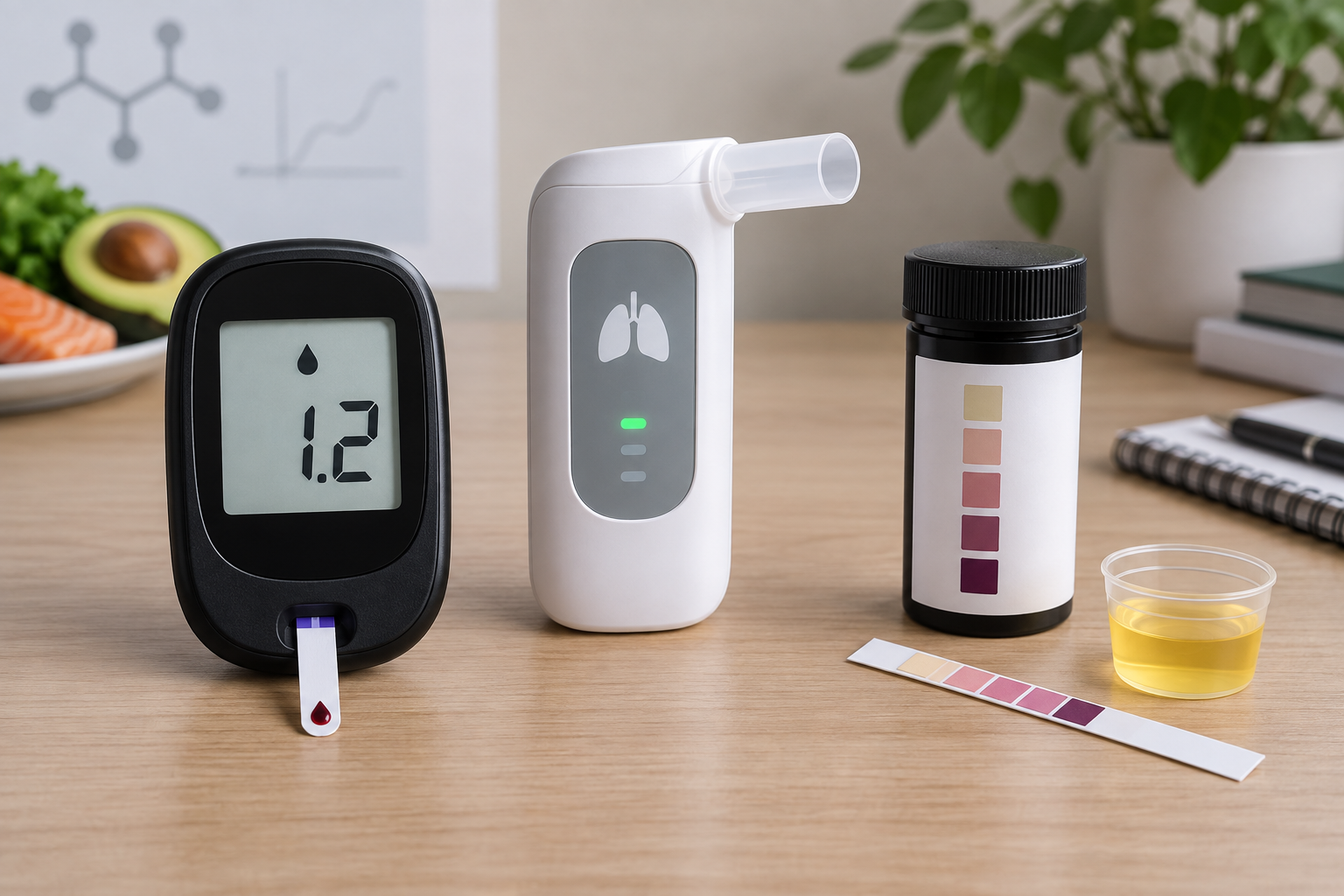
Urine strips, which are inexpensive but become less informative over time, blood ketone meters, which are more accurate, and breath analysers are common tools. Indirect signs such as characteristic breath, reduced appetite and steadier energy can offer clues but do not replace an objective measurement when certainty is needed.
Related articles