 Avocado
A whole-food diet offers many protein sources, each with a different nutritional profile, environmental impact and practical role in everyday eating. Understanding these differences helps build a varied eating pattern rather than relying on the same two or three sources out of habit.
Red and white meat
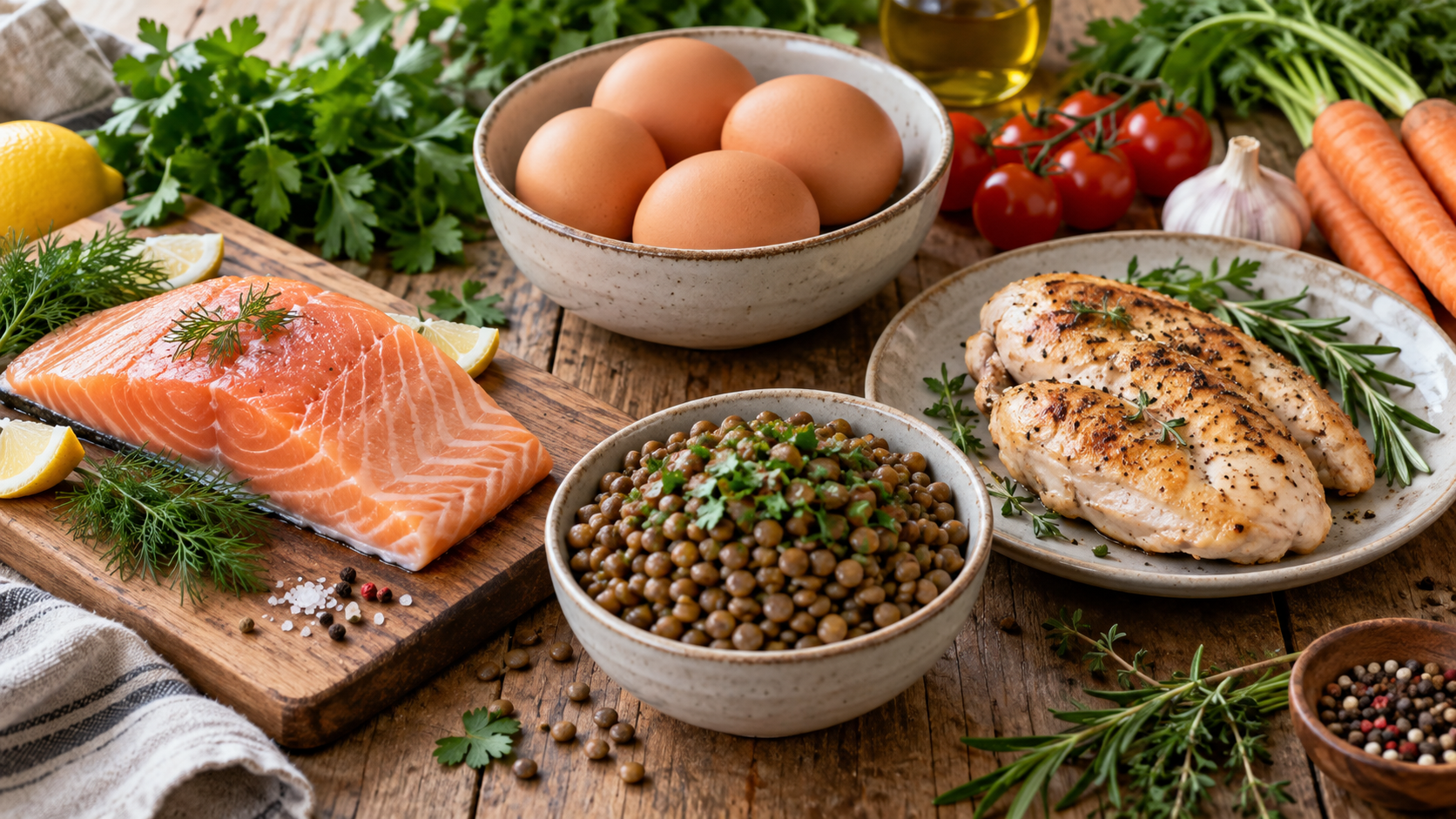
Meat provides complete protein, haem iron — which is absorbed more readily than plant-derived iron — zinc and vitamin B12. The distinction between unprocessed red meat, such as a fresh cut of beef or pork, and processed red meat, such as cured meats, frankfurters or canned meat with preservatives, is crucial when interpreting research. The International Agency for Research on Cancer classifies processed meat as carcinogenic to humans. The evidence for unprocessed red meat is weaker and more limited; it is classified as probably carcinogenic, with particular concern around very high intakes. Unprocessed white meat, such as chicken and turkey, does not show the same associations and is generally considered a lean, versatile protein source.
Fish and seafood
Alongside high-quality protein, fish — especially the oily species discussed in the article on healthy fats — provides omega-3 fats, iodine, selenium and vitamin D. Simply canned fish, such as tuna, mackerel or sardines in water or olive oil without other additives, can also fit a whole-food approach and provides a practical, affordable option when time for cooking is limited.
Eggs
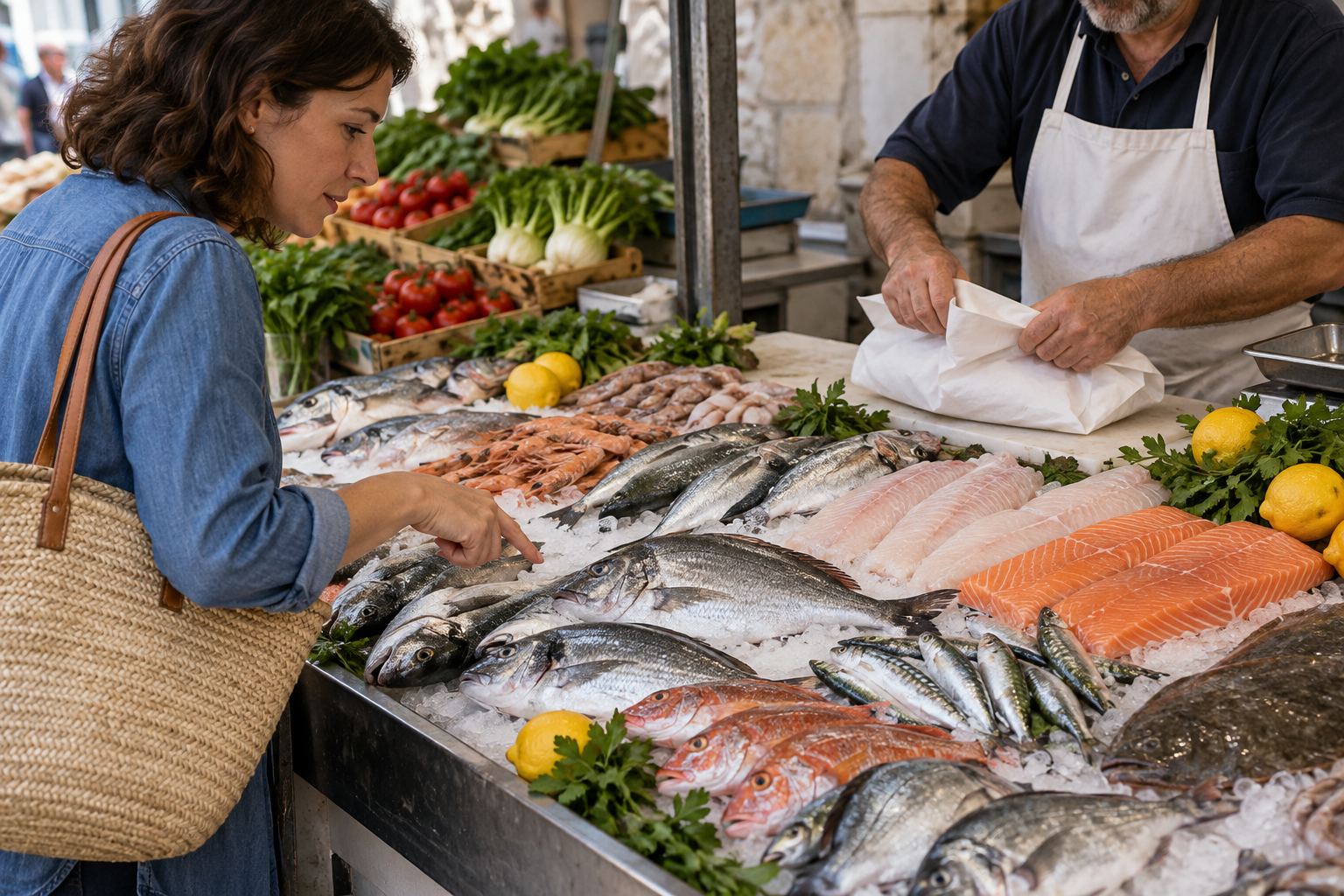
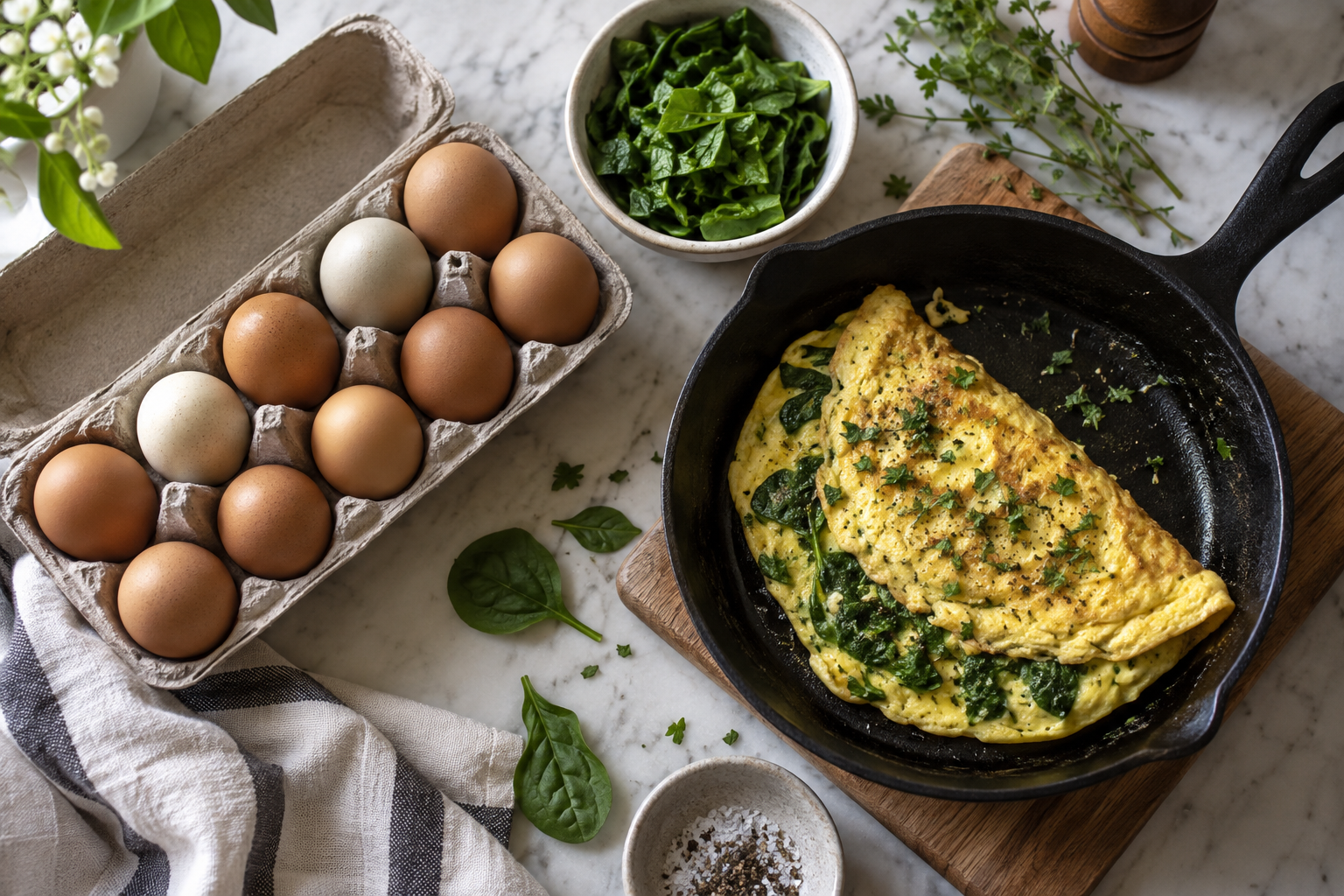
Eggs offer one of the most complete amino acid profiles among available protein sources, along with choline, lutein and zeaxanthin, which support eye health. They are also among the most affordable and versatile unprocessed protein sources, suitable for breakfast, lunch or dinner with very little preparation.
Pulses
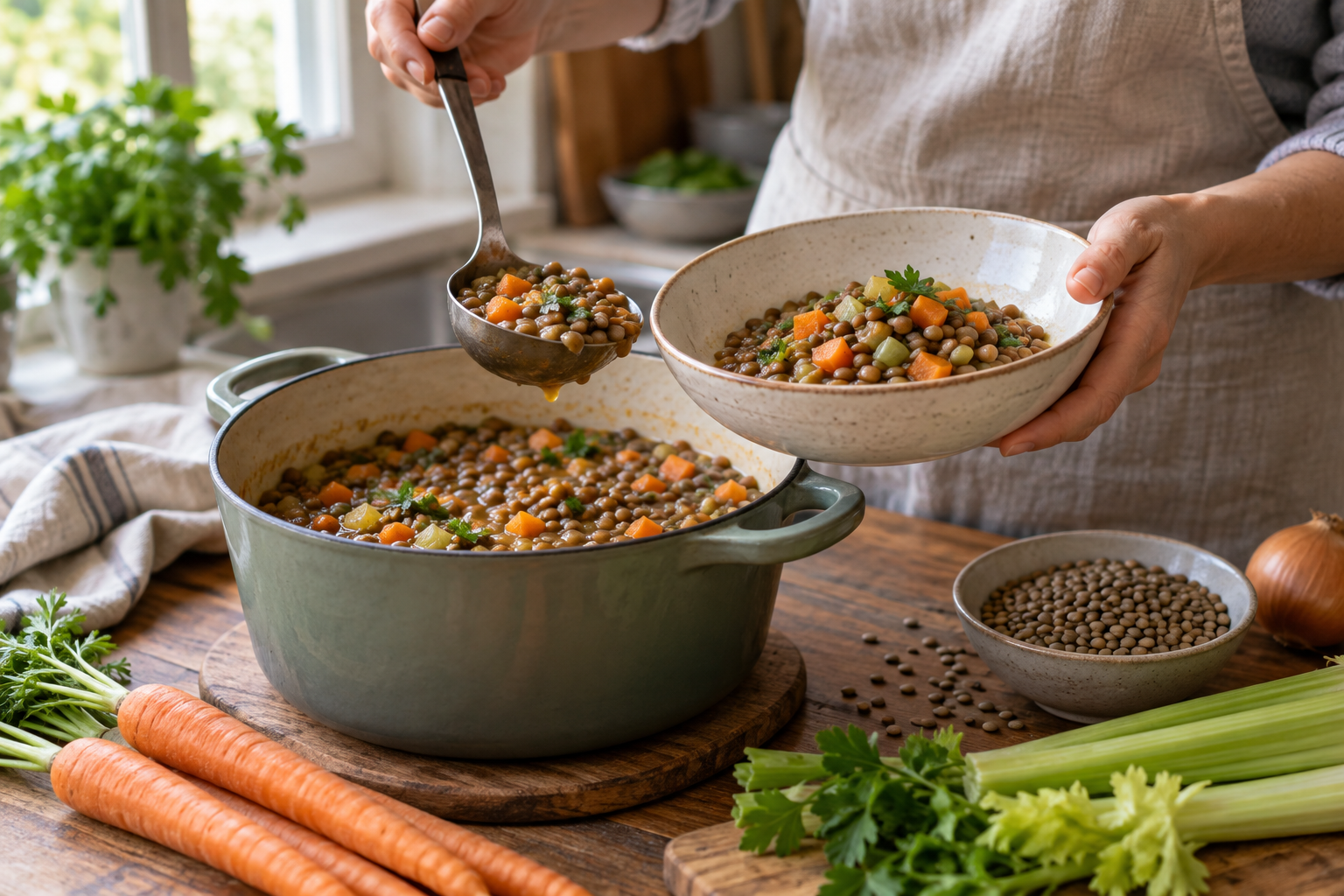
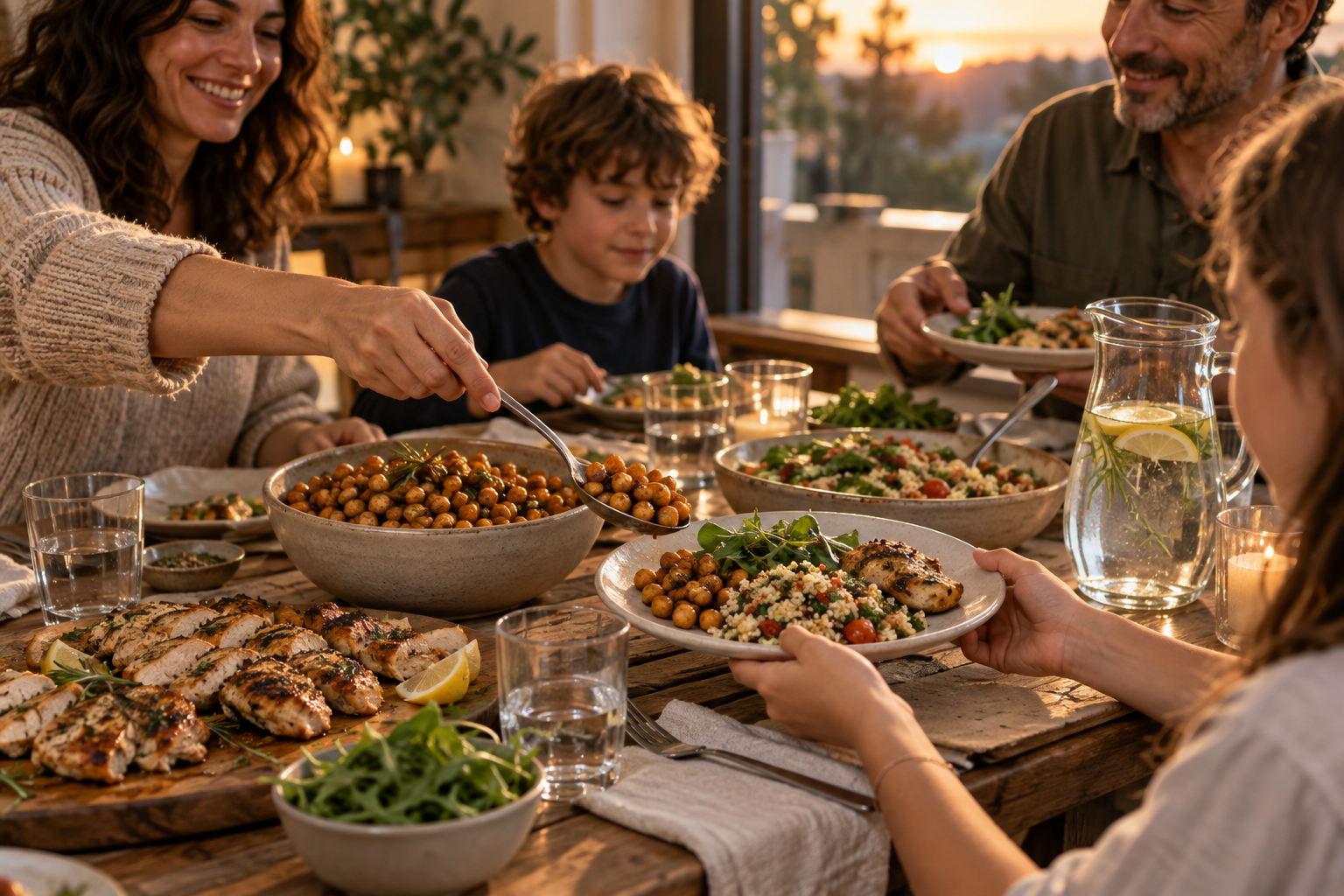
Chickpeas, lentils, beans and peas provide plant protein together with substantial amounts of fibre, a combination that makes them particularly filling and beneficial for gut and cardiovascular health. Pulse protein is considered “incomplete” because it is relatively low in some essential amino acids, particularly methionine. This limitation is easily addressed by eating pulses and grains on the same day, not necessarily in the same meal. This traditional combination appears in many cuisines, from Italian pasta and beans to rice and lentils in several Asian cuisines.